



Easy EU Digital Passport Data

Handling detailed EU directive information about your product data is no joke on your own. OneSila is here to help you make it easy.

What is DPP (Digital Product Passport)

The Digital Product Passport (DPP) is a regulatory initiative from the European Union that will require many products sold in the EU to carry a structured, digital “passport” containing essential information about the product.

It is a cornerstone of the EU’s Circular Economy Action Plan and will be rolled out gradually from 2026 onwards, starting with priority sectors such as textiles, batteries, and electronics.

Dogs

Selling in the EU?

Are you importing into the EU - or manufacturing the products in the EU, then it becomes your responsibility to gather the right information.

If you are selling in the EU it is your responsibility to inform the customer of the required information.

How to get DPP done with OneSila?

Ensuring you're compliant with EU regulations is of paramount imporantance. As a PIM solution we help you gather the product data and setup your product-requirements to ensure your team knows what data to find and store.

lady support computer work smile

Integrated EU Data Schema

The EU is declaring for every product type, which information will be required. For example in textiles, a detailed composition, country of origin, manufacturing steps, care instructions.

OneSila gives you the ability and control to do this at scale, by automatically importing the desired data requirements straight from the EU into your product data requirements.

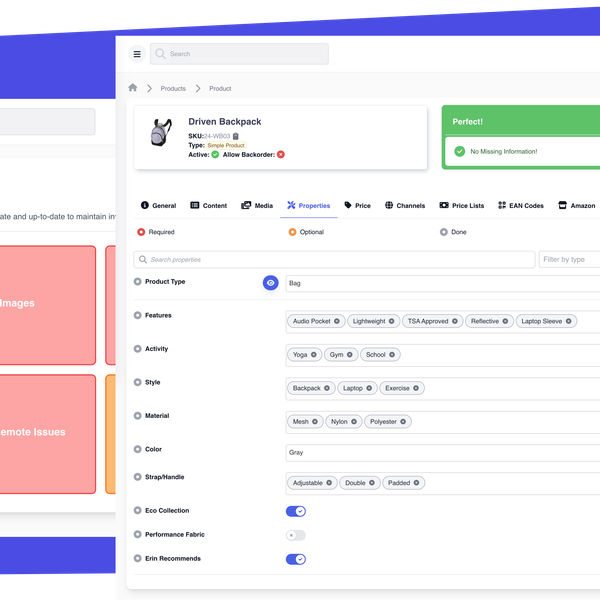
Dashboard and product property page

Easy Data management

We provide your team with an easy, straightforward way to add and maintain the required data through a clean user interface and exception driven notifications.

Our platform is easy to use and requires virtually no training.

Easy to use - everyone

Automatic QR code and custom link

The EU also requires you to have QR-codes for each of the product-cards and provide customers with the data on both sales-channels and through individual links. OneSila provides this out of the box, for every product. No extra action needed.

Let's get your product data ready for what's coming together. Book a cal to learn more.

Book a Demo

ILFD Group, one year on OneSila.

1–2 days

New product, live everywhere

4 → 12

Sales channels, same team

120K+

Products, one shared record

FAQ

When does DPP compliance become mandatory, and for which product categories?

The EU is rolling out DPP requirements gradually, starting in 2026 with priority sectors such as textiles, batteries, and electronics. Over time, more product categories will be included. But even before full enforcement, early adoption can help you stay ahead of regulatory deadlines and reduce future compliance risk.

Who is legally responsible for providing and maintaining the DPP data? The manufacturer, importer, or brand?

If you manufacture products within the EU or import into the EU, you become responsible for gathering, validating, and maintaining the required DPP data. In many cases, the brand or importer will bear liability for data correctness and regulatory compliance. OneSila helps streamline your processes, but ultimate responsibility remains with your organization.

If I'm a seller but not importer should I care?

As a distributor or seller, you must ensure that the products you sell carry a valid Digital Product Passport once the regulation enters into force. Selling without it can expose you to compliance risks.

How does OneSila keep up with evolving EU data requirements and schema updates?

OneSila’s system is designed to automatically import updated EU data schema requirements as they evolve, ensuring your product requirements stay current without manual rework. We maintain version tracking and update processes so you stay aligned with changes in DPP regulation.

How does the DPP integration work with our existing systems (ERP, supply chain, etc.)?

OneSila supports integration with your existing product data workflows. It can ingest data from upstream systems (ERP, PLM, supplier databases) and act as the central hub for DPP-relevant data. Our APIs, connectors, and data mapping tools help bridge systems so you don't have to duplicate effort. We also generate QR codes and public links automatically based on your product records.

Which industries are affected first?

The first categories targeted by the EU are textiles, batteries, and electronics. These start from 2026, with additional sectors phased in later. The scope will broaden, so preparing now reduces the risk of future disruption.

What information must be included in a DPP?

Typical requirements include product identifiers, material composition, environmental footprint, recycling/reuse instructions, and safety information. The exact fields vary by product category, but OneSila ensures your data matches the official EU schema.

How do customers or inspectors access a Digital Product Passport?

Each product receives a QR code and/or link generated by OneSila. Scanning the code takes the user to a structured product page containing the EU-required information in an accessible format.

What happens if we don’t comply in time?

Non-compliance may result in fines, blocked imports, or exclusion from EU markets. Preparing early ensures your business avoids penalties and gains a competitive edge by showing transparency and sustainability leadership.

Is this only about compliance, or can DPP help my business commercially?

Beyond compliance, DPP is a tool for trust-building. Customers increasingly demand transparency on sourcing, sustainability, and recyclability. By implementing DPP with OneSila, you not only meet regulations but also strengthen your brand story and open new eco-conscious markets.